
Library
Books, articles, and where the scholarship lives
A growing shelf — books that belong on a jazz lover's table, pieces worth the time, the films, and the journals and archives where serious writing about the music is published and kept. Not comprehensive; chosen.
Books19 titles
The shelf — click a spine to read about the book below.
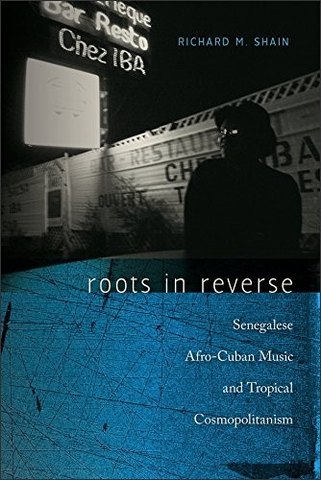
- Roots in Reverse: Senegalese Afro-Cuban Music and Tropical Cosmopolitanism
A cultural history of how twentieth-century urban Senegal embraced Afro-Cuban music and, through it, forged an independent modern identity.
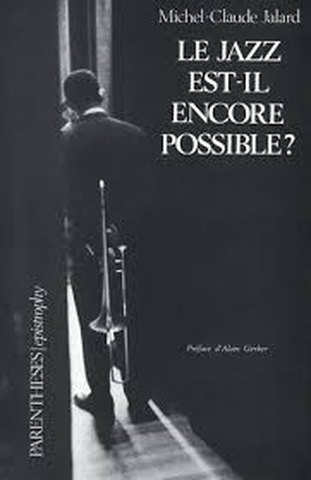
- Le jazz est-il encore possible ?
An essay on the history and philosophy of the music, asking, in the mid-1980s, whether jazz still had somewhere to go.
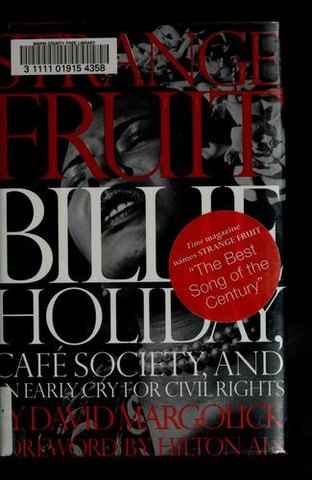
- Strange Fruit: Billie Holiday and the Biography of a Song
How a poem by a Bronx schoolteacher became the song Billie Holiday closed her sets with at Café Society — and an early cry of the civil-rights movement.
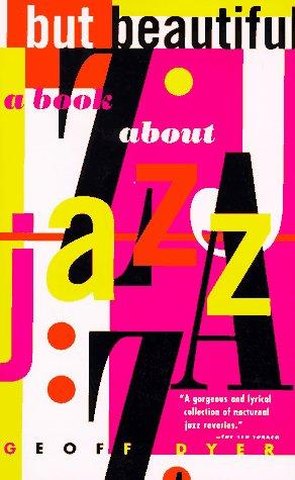
- But Beautiful: A Book About Jazz
Lyrical, genre-defying portraits of Lester Young, Monk, Bud Powell, Mingus, Chet Baker and others — part fiction, part criticism, written from inside the music.
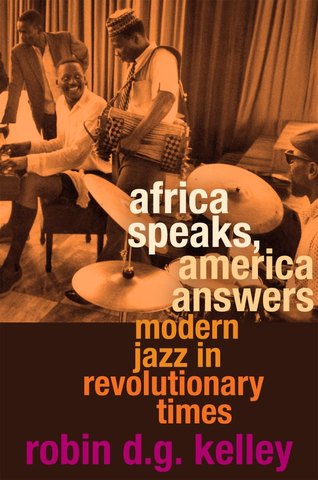
- Africa Speaks, America Answers: Modern Jazz in Revolutionary Times
Four portraits — Randy Weston, Ahmed Abdul-Malik, Guy Warren and Sathima Bea Benjamin — of the two-way traffic between African musicians and American jazz in the years of independence.
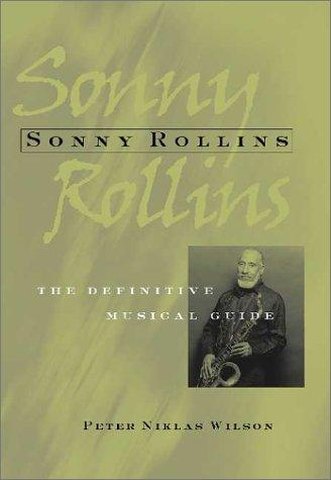
- Sonny Rollins: The Definitive Musical Guide
A record-by-record study of Rollins' playing, from the Prestige sessions through the bridge years to the 1990s, by a German critic who was also a bassist.
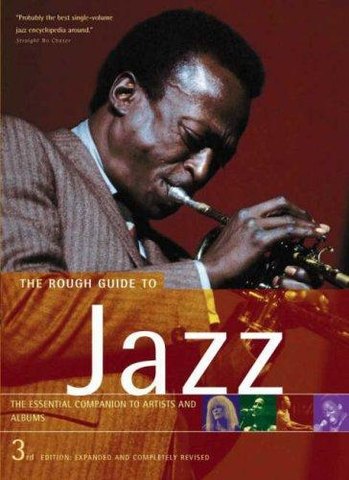
- Jazz: The Rough Guide
The desk reference: some 1,700 musicians with biographies and recommended records, written by three British musician-critics who knew most of their subjects.
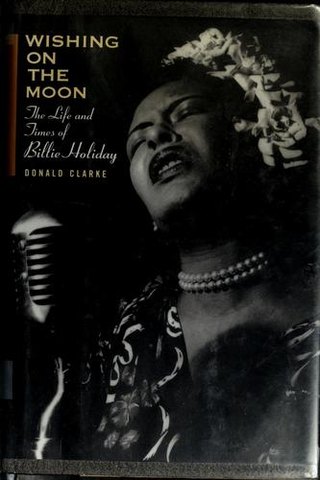
- Wishing on the Moon: The Life and Times of Billie Holiday
The fullest biography of Holiday, built on the Linda Kuehl interviews with the people who knew her, and attentive to the records as much as the legend.
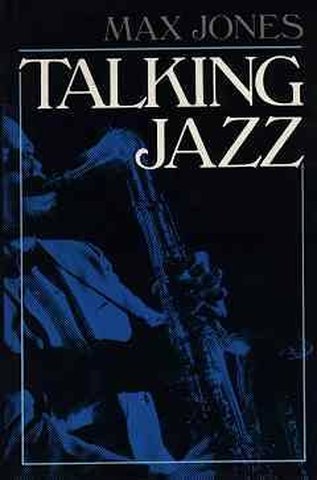
- Talking Jazz
Interviews gathered over forty years by the Melody Maker writer — Armstrong, Billie Holiday, Coleman Hawkins, Mary Lou Williams and dozens of others, in their own words.
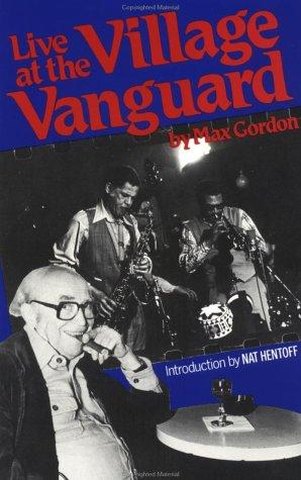
- Live at the Village Vanguard
The owner's memoir of the basement club on Seventh Avenue South, from its 1935 opening to the era of Coltrane and Bill Evans — the model for every small room with a piano, including ours.
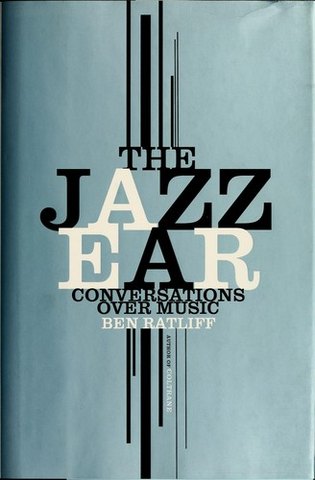
- The Jazz Ear: Conversations over Music
Fifteen musicians — Sonny Rollins, Ornette Coleman, Wayne Shorter, Andrew Hill, Maria Schneider among them — listen to records of their choosing with the New York Times critic and talk about what they hear.
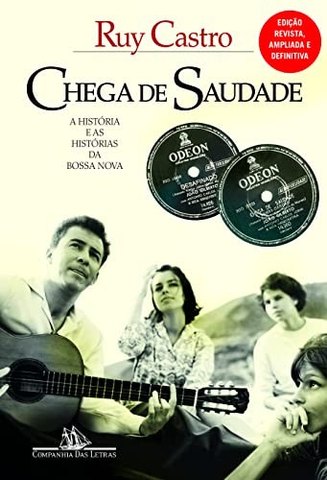
- Chega de Saudade: A História e as Histórias da Bossa Nova
The standard history of bossa nova — Copacabana apartments, Nara Leão's living room, João Gilberto's bathroom acoustics — told as a chronicle of the people who made it. Published in English as Bossa Nova: The Story of the Brazilian Music That Seduced the World.
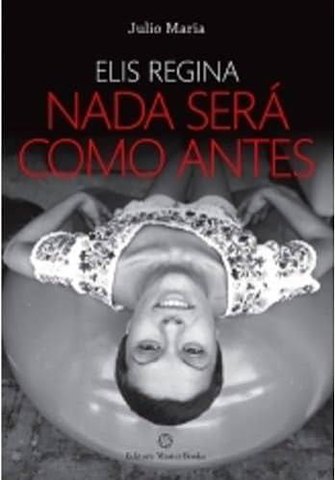
- Elis Regina: Nada Será Como Antes
The biography of the greatest Brazilian singer of her generation, from Porto Alegre to the festivals of the 1960s, the Elis & Tom sessions and her death in 1982 at thirty-six.
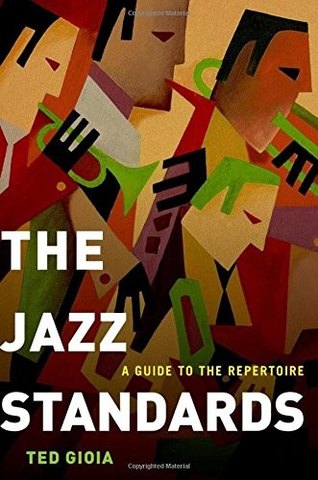
- The Jazz Standards: A Guide to the Repertoire
More than 250 standards, one short essay each — where the tune came from, what makes it tick, and a handful of recordings to hear it by. The book to keep beside the set list: look up what the band just played.
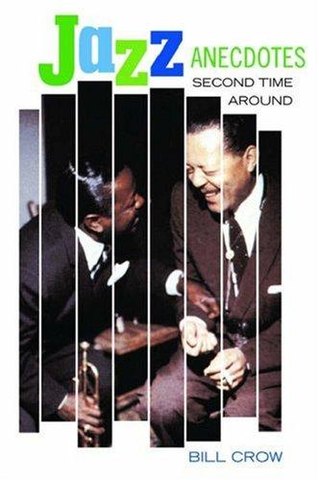
- Jazz Anecdotes: Second Time Around
Bassist Bill Crow's collection of stories told by musicians about musicians — Lester Young's language, Zoot Sims, Monk, the road, the bandstand, the money. Funny, humane, and as close as print gets to the hang after the gig.
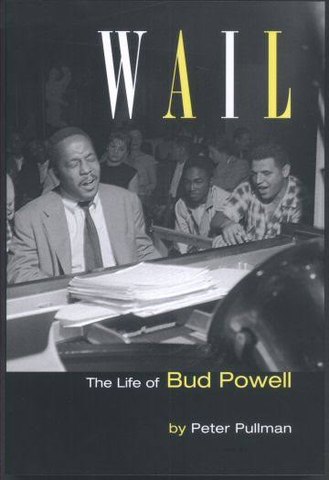
- Wail: The Life of Bud Powell
The definitive life of the pianist who invented bebop's right hand — twenty years of research into the hospital records, the court files and the Paudras papers, unsparing about Creedmoor, the electroshock and the people who lived off him, and clear-eyed about the music that survived it all.
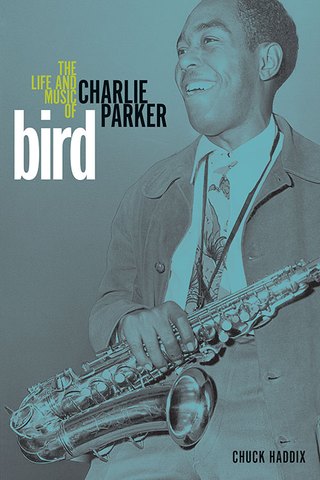
- Bird: The Life and Music of Charlie Parker
A compact, carefully sourced biography by the Kansas City archivist who knows the ground: Parker's 18th & Vine apprenticeship, the Jay McShann band, 52nd Street, Camarillo, and the last years at the Open Door.
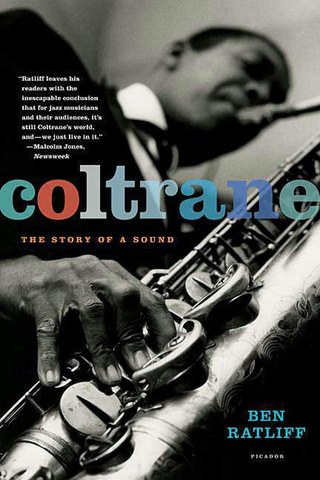
- Coltrane: The Story of a Sound
Not a biography but a book about a sound — how Coltrane built it, record by record, in the first half, and what everyone did with it after 1967 in the second. The New York Times critic at his best: short, argued, and good company.
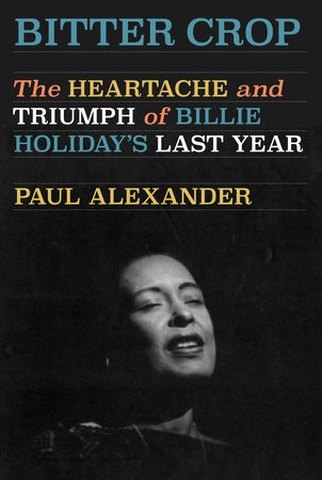
- Bitter Crop: The Heartache and Triumph of Billie Holiday's Last Year
1959, month by month: the London television appearance, the narcotics agents at the hospital bed, the friends who stayed. A portrait of Holiday as a working artist to the end, and the best companion to the Strange Fruit clip on this site.
Selected articles6 pieces
- How a Nina Simone song resonates in Scott Colom's Mississippi Senate win
In 1963, enraged by the murders of Emmett Till and Medgar Evers and the Birmingham church bombing, Nina Simone wrote “Mississippi Goddam” in under an hour and introduced it at Carnegie Hall with “and I mean every word of it.” Sixty-three years later, as Mississippi elects its first Black senator since Reconstruction, a columnist hears the song again — not as a protest anthem this time, but as a measure of how far the road has run.
- Where jazz goes to church
For ten years Church of Sound has packed away the pews of St James the Great in Clapton, east London, and seated the audience in a circle on the floor around the band — a hundred and thirty gigs, cheap tickets, food before the show, and a first set devoted to a songbook (Idris Muhammad, Fela Kuti, Art Blakey) before the musicians play their own music. Its founders, an organist and the Parisian behind the Total Refreshment Centre, celebrate the decade at the Barbican with a songbook of British jazz 1965–75 and a live album, Clapton Hymns. A house concert in spirit, at church scale.
- Cheikh Ndoye: Laying Down the Genetic Tones
A profile of the Senegalese-born bassist on the release of Genetic Tones — a musician the magazine has followed for seventeen years, whose music, between Dakar and America, resists easy categories.
- Rewind & Play
A short, sharp review of Alain Gomis's Monk film on its New York run at BAM — the botched interview, the editing that gives Monk back his voice, and the quieter moments: the wool coat, the door held for Nellie.
- John Coltrane At 100: A Global Perspective
Musicians and cultural figures from around the world reflect on Coltrane's centennial — his influence on improvisation, spirituality and musical innovation.
- My Brother, Don Sleet
A brother's memoir of the San Diego trumpeter — the early promise, the one great record, and the life that never got the recognition it deserved.
The jazz press7 titles
Magazines and papers worth reading month to month.
- The New York City Jazz Record
The city's jazz newspaper since 2002: interviews, record and concert reviews, the label and venue of the month, and the most complete calendar of who is playing where in New York each night.
- DownBeat
The old warhorse of the American jazz press: the Blindfold Test, the annual Critics and Readers Polls, and ninety years of reviews in the archive.
- JazzTimes
The other American monthly, back after a troubled spell: features, interviews and reviews, with a long archive of the 1990s and 2000s.
- All About Jazz
The web's daily jazz paper since 1995 — reviews, interviews, news and a worldwide gig calendar; two of the articles on this shelf come from it.
- Jazz Magazine
France's monthly of record, where the Chocs are handed out; the French view of the music, which is often a generous one.
- Jazz Hot
Founded by Hugues Panassié and Charles Delaunay; the long interviews and obituaries are the reason to read it.
- London Jazz News
Reviews, previews and interviews from the British scene, with the listings for the Vortex, the 606 and everywhere else in town.
Films15 documentaries
Films to watch, from the classics to recent portraits — click a poster to read about the film below.
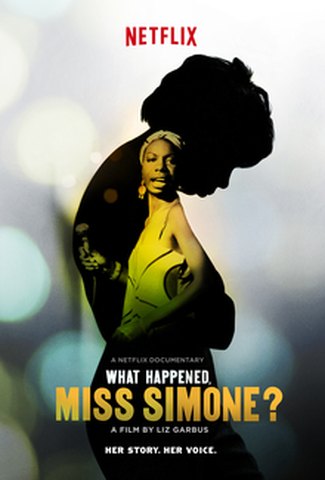
- What Happened, Miss Simone?
Nina Simone's life and politics through her own recordings and diaries, and her daughter's testimony.
Watch the trailer
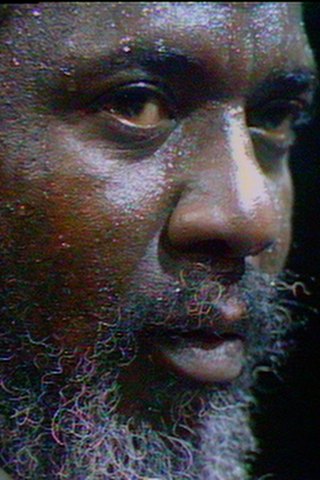
- Rewind & Play
The unused rushes of a 1969 French television interview with Thelonious Monk, re-edited by the French-Senegalese director into an essay on what the camera, and the host, failed to see — and, between the questions, Monk alone at the piano: 'Round Midnight, Don't Blame Me, I Should Care.
Watch the trailer
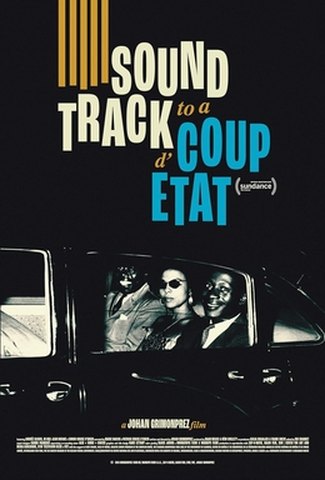
- Soundtrack to a Coup d'Etat
1960–61: the Congo wins independence, Patrice Lumumba is murdered, and the State Department sends Louis Armstrong to Léopoldville as a smokescreen. Grimonprez cuts the archive — Khrushchev at the UN, Malcolm X, Abbey Lincoln and Max Roach storming the Security Council, Nina Simone, Dizzy for President — into a film that is as much about jazz as about the Cold War, and about what the musicians knew they were being used for.
Watch the trailer
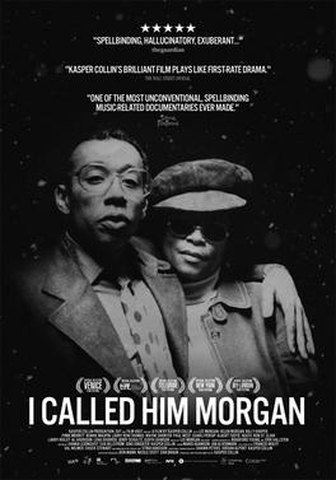
- I Called Him Morgan
Lee Morgan and his wife Helen — the music, the marriage, and the night in 1972 at Slugs' Saloon; built around Helen's own taped account.
Watch the trailer
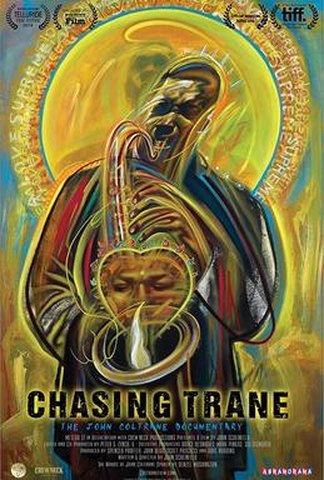
- Chasing Trane: The John Coltrane Documentary
Coltrane's journey from Philadelphia to A Love Supreme, narrated by Denzel Washington reading Coltrane's words.
Watch the trailer
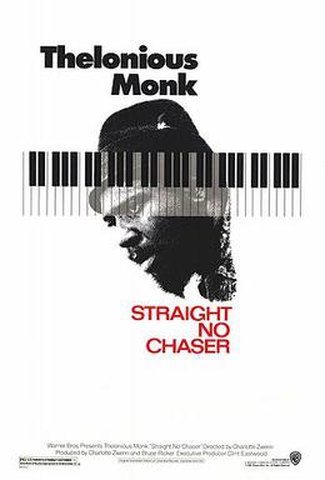
- Thelonious Monk: Straight, No Chaser
Rare 1967–68 footage of Monk on tour and in the studio; produced by Clint Eastwood.
Watch the trailer
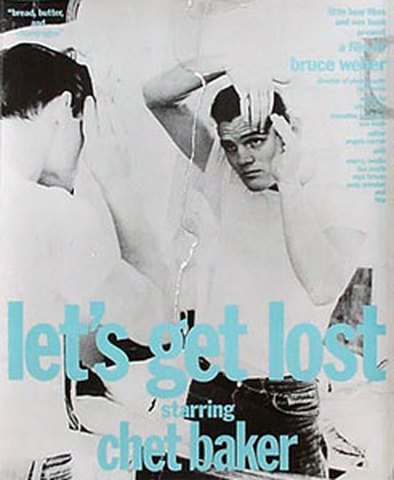
- Let's Get Lost
Chet Baker in his last year, in black and white — the beauty and the wreckage.
Watch the trailer
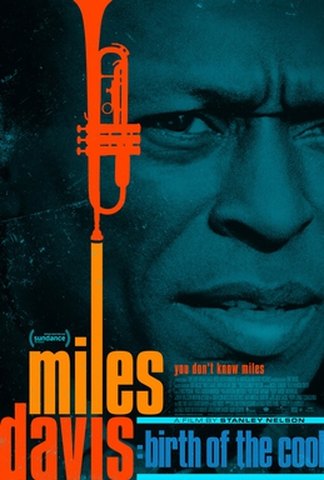
- Miles Davis: Birth of the Cool
The full arc, from East St. Louis to the electric years, with the people who were in the room.
Watch the trailer
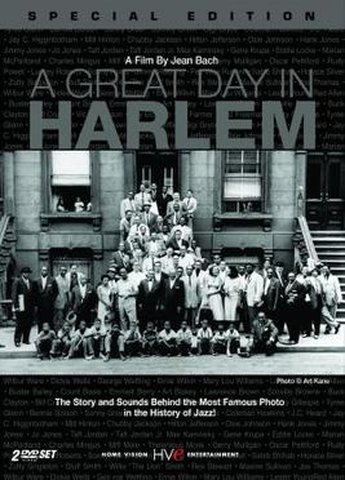
- A Great Day in Harlem
The story behind Art Kane's 1958 photograph of 57 jazz musicians on a Harlem stoop, told by the survivors.
Watch the trailer
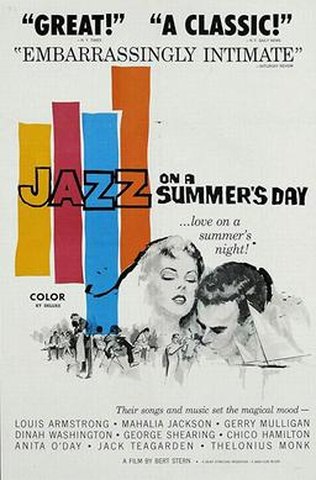
- Jazz on a Summer's Day
The 1958 Newport Jazz Festival — Monk, Anita O'Day, Mahalia Jackson, Louis Armstrong — filmed in color like a fashion shoot.
Watch the trailer
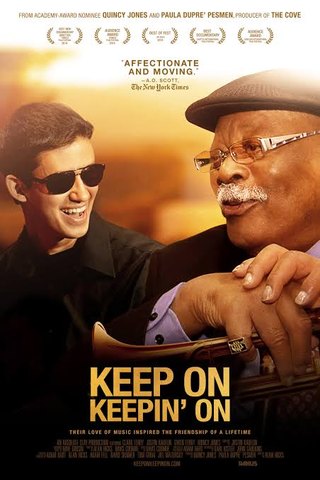
- Keep On Keepin' On
Clark Terry in his nineties teaching the young blind pianist Justin Kauflin; a film about mentorship.
Watch the trailer
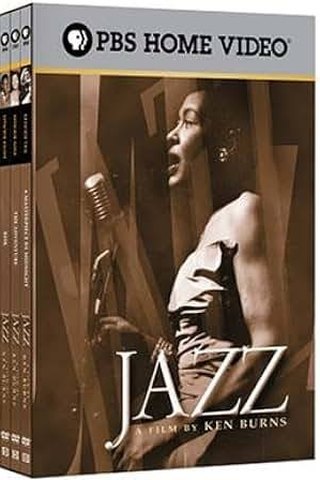
- Jazz
The long television history of the music, from New Orleans to the 1960s, with Wynton Marsalis as guide.
Watch the trailer
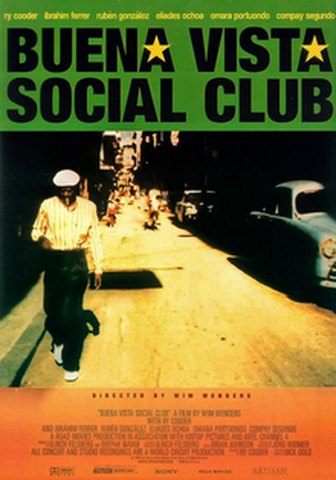
- Buena Vista Social Club
Ry Cooder brings Havana's forgotten masters back to the stage — the Cuban side of the story that Roots in Reverse tells for Dakar.
Watch the trailer
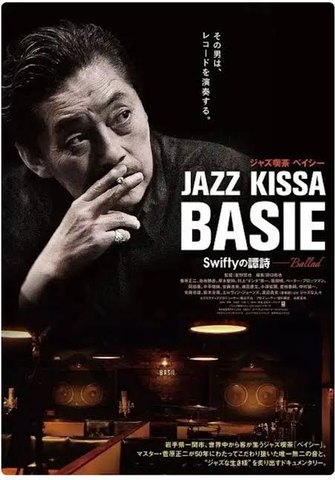
- Jazz Kissa Basie: Swifty's Ballad
A year inside Basie, the café in Ichinoseki where Shoji “Swifty” Sugawara has played records on his JBL system since 1970, for listeners who come from across Japan to sit in silence. The film is a portrait of the jazz kissa — the Japanese listening café that may be the ancestor of the listening bars now opening in New York — and of one man's idea of how a record should sound.
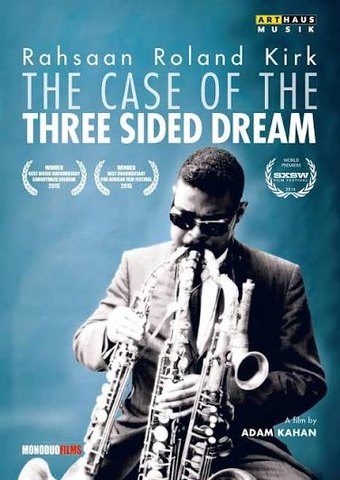
- Rahsaan Roland Kirk: The Case of the Three Sided Dream
Blind since infancy, Kirk played three saxophones at once, talked to his audiences like a preacher, and after a stroke in 1975 taught himself to play with one hand until a second stroke killed him at 42. Kahan's film, built from archive footage, animation and the people who knew him, takes him as seriously as he deserved — a visionary, not a novelty.
Jazz on the dance stage18 productions
Choreographers have been drawn to the music since the beginning — Ellington wrote for Ailey, Marsalis for City Ballet, and tap dancers have always been jazz musicians with their feet. A selection of the productions worth looking out for, several of them still in repertory. (Ailey's Revelations, the one everybody knows, is set to spirituals and gospel rather than jazz — which is why it is not on this list.)
- Night Creature — Alvin Ailey
Ailey's tribute to Ellington's symphonic jazz: seventeen minutes of the company at its most joyous, balletic jumps and Graham contractions over the three movements of Ellington's Night Creature. Still a season staple at City Center.
- Pas de Duke — Alvin Ailey
Made for Judith Jamison and Mikhail Baryshnikov: a modern-dance answer to the classical pas de deux, in solos and duets to “Such Sweet Thunder”, “The Clothed Woman” and “Old Man Blues”. A new production is announced for the 2026–27 season.
- The River — Alvin Ailey
Ellington's first symphonic score written for dance, commissioned by Ailey for ABT: a suite of water images — spring, meander, falls, lake — from birth to renewal, in a blend of ballet, modern and jazz dance.
- For ‘Bird’ – With Love — Alvin Ailey
An after-hours jam session on stage — Ailey's portrait of Charlie Parker, premiered in Parker's home town, Kansas City, with Parker and Gillespie recordings and original music by Perkinson.
- Ode — Jamar Roberts
Roberts' meditation on the fragility of life in a time of gun violence, set to Don Pullen's solo piano “Suite (Sweet) Malcolm”. His earlier Members Don't Get Weary (2017) is danced to John Coltrane's “Dear Lord” and “Olé”.
- The Road of the Phoebe Snow — Talley Beatty
Life along the railroad tracks, to Ellington and Strayhorn — one of the great jazz ballets of the fifties, kept alive by Ailey's company. Donald McKayle's District Storyville (1962), on the birth of jazz in New Orleans, is its companion in the Ailey archive.
- N.Y. Export: Opus Jazz — Jerome Robbins
The “ballet in sneakers”: Robbins' cool, restless portrait of fifties city youth to a commissioned jazz score. Filmed on location in New York with City Ballet dancers in 2010 (Jody Lee Lipes and Henry Joost) — the film is the easiest way to see it.
- Jazz (Six Syncopated Movements) — Peter Martins
Marsalis's first ballet score, for an eleven-piece band in the pit — railroads, the frontier, New Orleans. The making of it is the subject of the 1994 film Accent on the Offbeat.
- Griot New York & Lighthouse/Lightning Rod — Garth Fagan
Fagan, Marsalis and the sculptor Martin Puryear made Griot New York for the Brooklyn Academy of Music in 1991; Fagan and Marsalis met again at BAM in 2012 for Lighthouse/Lightning Rod, with the septet on stage.
- Jump Start — Twyla Tharp
Tharp's high-speed ensemble piece for ABT at the Met, to a Marsalis commission. Tharp's long jazz line runs back to Eight Jelly Rolls (1971, Jelly Roll Morton), Sue's Leg (1975, Fats Waller) and Baker's Dozen (1979, Willie “The Lion” Smith).
- Spaces — Wynton Marsalis, Lil Buck and Jared Grimes
Marsalis's animal suite as a ninety-minute dance concert for the jookin' dancer Lil Buck and the tap dancer Jared Grimes, with the orchestra on stage; brought back in 2018.
- Deep River — Alonzo King
King's ensemble work on darkness and light, with Moran at the piano and Fischer's voice on stage; it toured to Lincoln Center and the Kennedy Center in 2024. King and Moran first worked together with Charles Lloyd on Sand (2016).
- Fours — Savion Glover at the Blue Note
Tap as the fourth instrument of a jazz quartet: Glover trading with Tyner, Haynes, DeJohnette and Palmieri on the Blue Note stage — the purest form of jazz dance there is.
- Charlie's Angels — Jason Samuels Smith
Fifty minutes of bebop tap for three women — Chloé Arnold, Michelle Dorrance, Dormeshia — on “Donna Lee”, “Salt Peanuts” and “Yardbird Suite”.
- The Nutcracker Suite — Dorrance Dance
The tap company's Nutcracker, danced to Ellington and Strayhorn's 1960 arrangement of Tchaikovsky — a December fixture since the Joyce premiere.
- Sounds of Hazel — Tiffany Rea-Fisher
A portrait in three cities — Trinidad, Harlem, Paris — of the pianist Hazel Scott, the first Black woman to host her own American television show, built on her recordings.
- You've Got to Be Modernistic — Mark Morris
Eight stride-piano pieces by James P. Johnson for Morris's 45th season at the Joyce, with the pianist Ethan Iverson at the keyboard.
- Degga — Bill T. Jones, Max Roach and Toni Morrison
An hour with Max Roach at the drums, Toni Morrison reading and the Bill T. Jones/Arnie Zane company dancing; the title is Wolof for “to hear, to understand”.
They also served41 musicians
Coltrane in the Navy at Pearl Harbor, Brubeck with Patton's Third Army, Ellis Marsalis in the Marines' Corps Four, Lester Young in the detention barracks: the jazz musicians who wore a uniform, and what the service did to and for their music.
What the Jazz Giants Were Up Against3 clips
Evictions, cabaret cards, asylums, the road in the Jim Crow South: short films and footage on what the musicians lived through — and what they made anyway. The shelf grows as friends send clips.
- Charles Mingus — evicted and arrested, November 1966
City marshals carry Mingus's music and belongings out of his Great Jones Street loft while his daughter Carolyn looks on; by nightfall he is under arrest. Thomas Reichman's camera stays with him — talking, playing, raging. Within a few years came Let My Children Hear Music and the late masterpieces: a reminder of what this music's giants were up against, and of what they made anyway.
Watch the trailer
- Billie Holiday — Strange Fruit, London, 1959
Five months before her death, hounded for years by the Federal Bureau of Narcotics and stripped of the cabaret card that let her work in New York clubs, Holiday sings the lynching song Columbia had refused to record in 1939. The only known film of her performing it.
Watch the trailer
- Nina Simone — Mississippi Goddam, Antibes, 1965
Written in an hour after the murder of Medgar Evers and the Birmingham church bombing of 1963, banned in several Southern states — boxes of the single were returned to the label snapped in half. Simone said the song cost her her career in America; she sings it here as a show tune whose show has not been written yet.
Watch the trailer
The musicians elsewhere0 links
Clips of the series' musicians on other stages — their own channels, festival sets, television.
Clips of the series' musicians elsewhere — their own channels, festival sets, television — will be collected here.
Keeping the music going: foundations & nonprofits9 organizations
The institutions that look after the musicians and the music's future — emergency funds, free concerts, schools, grants. Started with the Jazz Foundation of America; a list in progress, and Senegal's own will join it.
- Jazz Foundation of America
Founded by musicians — Jimmy Owens, Billy Taylor, Phoebe Jacobs among them — to catch jazz, blues and R&B players when illness, eviction or a flood knocks them down: emergency grants, housing help, pro bono medical care through Englewood Hospital (a partnership Dizzy Gillespie asked for), and paid concerts in schools and nursing homes. Its gala, A Great Night in Harlem, fills the Apollo every spring.
- Herbie Hancock Institute of Jazz
A tuition-free graduate program for a handful of young musicians, school programs across the US, and, with UNESCO, International Jazz Day on April 30, celebrated in nearly every country.
- Doris Duke Foundation
Doris Duke supported performing artists all her life, jazz musicians among them, and her foundation carries it on: the Doris Duke Artist Awards give up to six artists a year $525,000 in unrestricted money over seven years, no application, no strings — the largest prize of its kind for an individual performing artist. Wayne Shorter was among the early recipients; the 2026 jazz honorees are Makaya McCraven, Tomeka Reid and Val Jeanty. The foundation also funds the organizations that keep the music going, from presenters to the people who look after musicians' working conditions.
- Jazzmobile
Started by Billy Taylor and Daphne Arnstein with a flatbed truck carrying a band through the neighbourhoods; still bringing free summer concerts and Saturday classes to Harlem sixty years on.
- Jazz House Kids
Melissa Walker and Christian McBride's school: ensembles, summer workshops and the Montclair Jazz Festival, with many of today's young New York players among its alumni.
- Louis Armstrong Educational Foundation
The foundation Louis Armstrong set up himself, which funds jazz education, musicians' emergency help and the Louis Armstrong Center in Queens.
- New Orleans Jazz & Heritage Foundation
The nonprofit behind the New Orleans Jazz & Heritage Festival, whose proceeds fund grants to Louisiana musicians and culture bearers, the Heritage School of Music, and the station WWOZ.
- Jazz Education Network
The professional association of jazz educators, with an annual conference, a research journal and scholarships; the successor to the IAJE.
- MusiCares
Not jazz-specific, but the largest safety net for working musicians in the United States: medical, dental, addiction recovery and disaster relief, often alongside the Jazz Foundation.
Scholarship & archives14 places
Where the serious writing about jazz is published and kept: the journals, the indexes, and the archives whose oral histories and collections scholars draw on. Individual papers worth reading go in Selected articles above.
- Journal of Jazz Studies
Peer-reviewed online journal from the Institute of Jazz Studies, publishing new jazz scholarship since 2011 (current volume 17, 2026).
- Jazz Perspectives
International peer-reviewed journal of jazz scholarship covering history, analysis, and cultural studies.
- Jazz Research Journal
Interdisciplinary journal exploring jazz as practice, culture and idea, from the UK publisher Equinox.
- Jazz Education in Research and Practice
Journal of the Jazz Education Network bridging research and pedagogy in jazz education.
- Annual Review of Jazz Studies
The IJS's print-era scholarly annual (1982–2009), now digitized and searchable in the RIPM Jazz periodicals archive.
- Institute of Jazz Studies, Rutgers University–Newark
The world's largest jazz archive and research library, founded by Marshall Stearns in 1952 and home to the Jazz Oral History Project.
- Smithsonian Jazz Oral History Program
Transcripts and recordings of in-depth oral histories with NEA Jazz Masters, collected since 1992.
- RILM Abstracts of Music Literature
The comprehensive international bibliography of writings on music, including jazz scholarship in every language.
- Google Scholar
Search engine for scholarly articles, theses and books across all disciplines, including jazz studies.
- Ethnomusicology
The official journal of the Society for Ethnomusicology and the leading publication in the field.
- African Music
Journal of the International Library of African Music, published since 1954, with back issues freely available online.
- Jazz Studies Online
Curated digital library of jazz scholarship, panels, and primary sources from Columbia's Center for Jazz Studies.
- Current Research in Jazz
Peer-reviewed open-access journal of original jazz research, publishing annually since 2009 (volume 17 current).
- Jazzinstitut Darmstadt
Europe's largest public jazz archive and international research and information center on jazz.