Veterans Day · November 11
They also served
A surprising number of the musicians on this site's shelves wore a uniform before — or while — they made their names. Some played in military bands that worked as the conservatories they could not otherwise afford; some were riflemen; a few were treated badly by the institution they served. On Veterans Day, and all year, the series remembers them. The list began with a question about Ellis Marsalis, who was a Marine before he was the patriarch of New Orleans piano, and grew from there.
United States Navy9 musicians
After June 1942, when the Navy opened its general ratings to Black sailors, it recruited some five thousand Black musicians and trained nearly all of its Black bands at Camp Robert Smalls, Naval Station Great Lakes, outside Chicago. The bands that came out of Barracks 1812 — under the Tuskegee bandmaster Len Bowden — broadcast weekly on WBBM, played the bond drives, and shipped out in 25-piece units from New Orleans to Pearl Harbor. The Navy itself credits them with helping end its segregation.
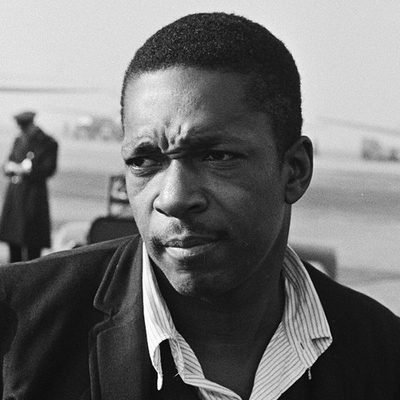 1945–46John Coltranesaxophone — Posted to Manana Barracks, Pearl Harbor, where he sat in as a “guest” with the base's otherwise all-white swing band, the Melody Masters, between kitchen and guard duty. His first recording — on alto, with Navy musicians — was made in Hawaii on July 13, 1946. source
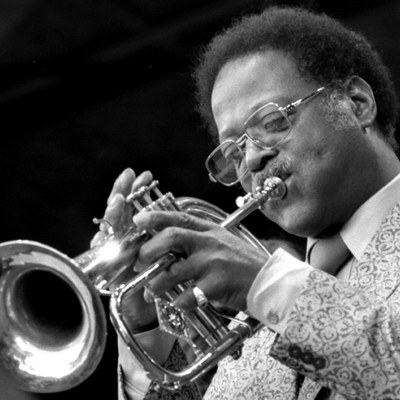 1942–45Clark Terrytrumpet — Played in Len Bowden's Ship's Company “A” Band at Camp Robert Smalls, generally considered the best at Great Lakes; later led the Great Lakes reunion band. source
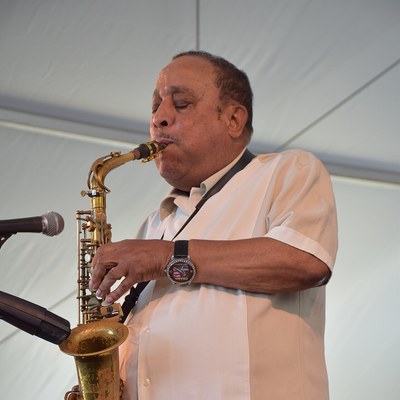 1945–46Lou Donaldsonalto saxophone — Pulled out of radar training and into the Great Lakes band on clarinet, then alto, beside Clark Terry and Ernie Wilkins; hearing Charlie Parker in those years decided the instrument. source
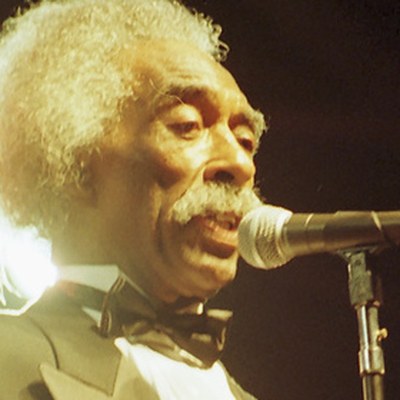 WWIIGerald Wilsontrumpet, bandleader — Great Lakes, in the band led by the saxophonist Willie Smith, with Ernie Wilkins and Jimmy Nottingham. source
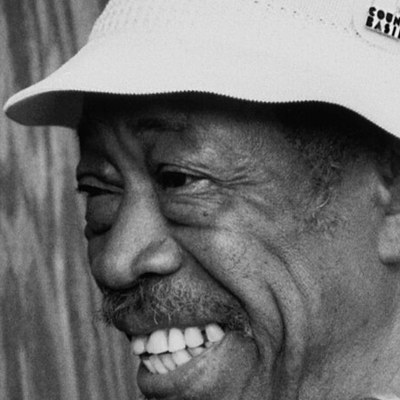 from 1942Al Greytrombone — Great Lakes, then the Grosse Ile Naval Air Station in Michigan; straight from the Navy into the Benny Carter band. source
- 1944–46Gigi Grycealto saxophone, composer — Musician second class in the Great Lakes band. source
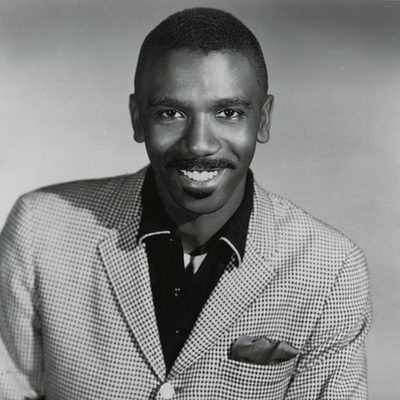 c. 1944–47Jimmy Smithorgan — Joined the Navy at fifteen. source
- to 1945Sam Riverssaxophones — Stationed in California, where he gigged with Jimmy Witherspoon on the side. source
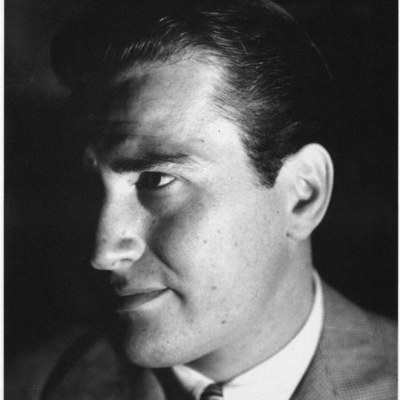 1942–44Artie Shawclarinet, bandleader — Gave up the most popular band in the country to lead Navy Band 501, the Rangers, across the Pacific — Pearl Harbor, New Caledonia, Guadalcanal under nightly bombing — until a breakdown sent him home. source
United States Army25 musicians
With peacetime conscription from 1948 to 1973, the Army band became a kind of conservatory and touring circuit for a whole generation. The Seventh Army in Germany was the richest hub: around 1956–58 its bands held Leo Wright, Don Ellis, Eddie Harris, Cedar Walton, Houston Person and Don Menza at once. Not every route was kind — Lester Young and Jon Hendricks were court-martialed and jailed, Frank Foster fought in Korea — but for many the service was where they met their future partners, and the GI Bill then paid for school.
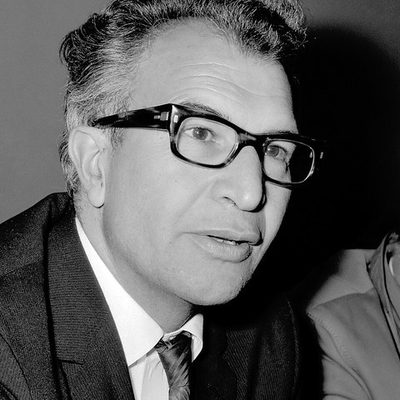 1942–46Dave Brubeckpiano — Sent to Europe as a rifleman replacement for Patton's Third Army, he landed at Omaha Beach three months after D-Day; a colonel who heard him play a Red Cross show kept him behind the lines to form the Wolf Pack Band, which he integrated — one of the first integrated units in the Army. He met Paul Desmond in the service, and turned down a promotion to stay with the band. source
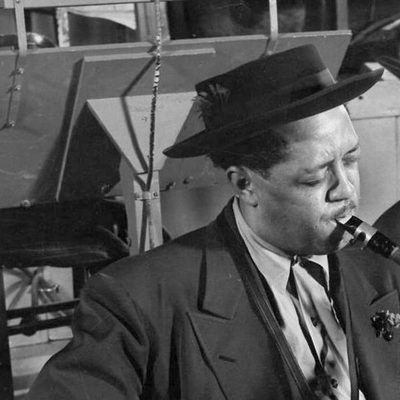 1944–45Lester Youngtenor saxophone — Inducted with Jo Jones from the Basie band and put in the regular Army at Fort McClellan, Alabama, not a band; court-martialed for possession, he served nearly a year in the detention barracks. “D.B. Blues” — Detention Barracks Blues — is what he recorded when he got out. source
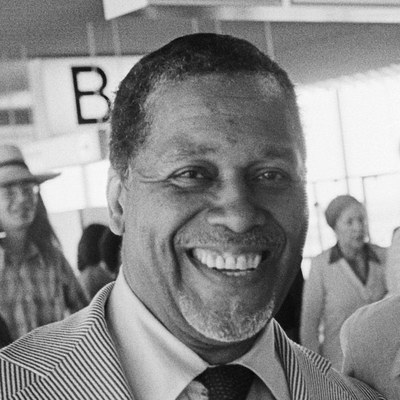 1942–45John Lewispiano — Met the drummer Kenny Clarke while both were stationed in France in 1944. Clarke told him to come to New York; the Modern Jazz Quartet grew from that. source
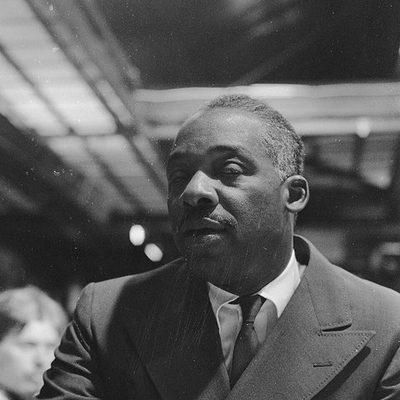 1943–46Kenny Clarkedrums — The other half of that meeting in France. source
- 1943–46Thad Jonestrumpet, composer — Army bands; brother of Hank and Elvin. source
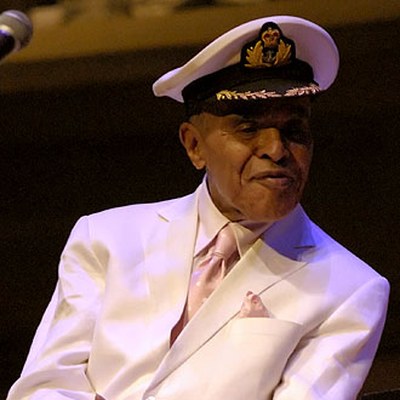 1944–46Jon Hendricksvocals — Landed in Normandy in June 1944 and served at a quartermaster headquarters in France. He and his Black comrades were fired on by white military police for socializing with French women; court-martialed, he spent eleven months in the stockade, then went to college on the GI Bill. source
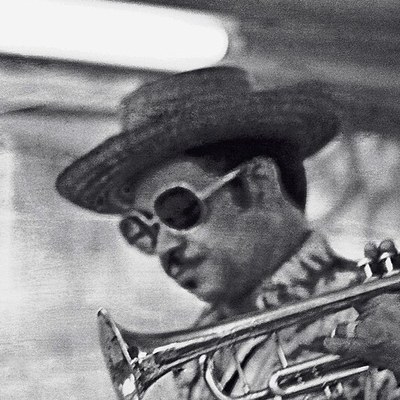 WWIIFrank Wesstenor saxophone, flute — A seventeen-piece Army band, then straight into Billy Eckstine's orchestra. source
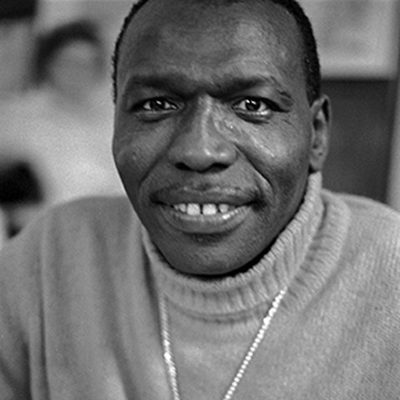 1946–49Elvin Jonesdrums — Bought his first drum set with his mustering-out pay, plus thirty-five dollars borrowed from his sister. source
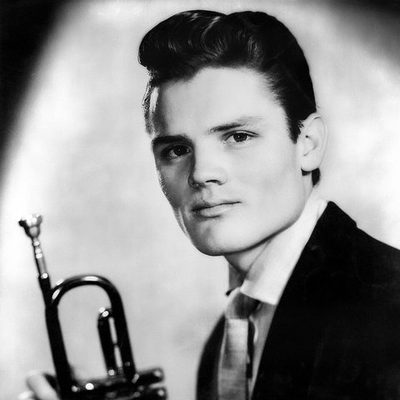 1946–48, 1950–51Chet Bakertrumpet — The 298th Army Band in Berlin, where the V-Discs introduced him to modern jazz; then the Sixth Army Band at the Presidio of San Francisco. source
- 1946–49Willie RuffFrench horn, bass — Enlisted at fourteen and learned the French horn in the band at Fort Warren, Wyoming; at Lockbourne Air Force Base, the post-war home of the Tuskegee Airmen, he met the pianist Dwike Mitchell. The Mitchell-Ruff Duo lasted from 1955 to 2011. He earned his diploma in the service and went on to Yale. source
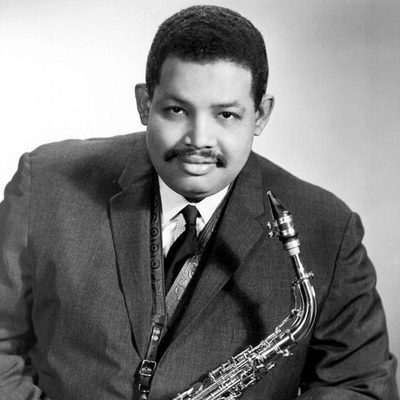 1950–53Cannonball Adderleyalto saxophone — A sergeant, he led the 36th Army Dance Band, with his brother Nat on cornet — mostly dance music, Nat recalled, and very little marching. source
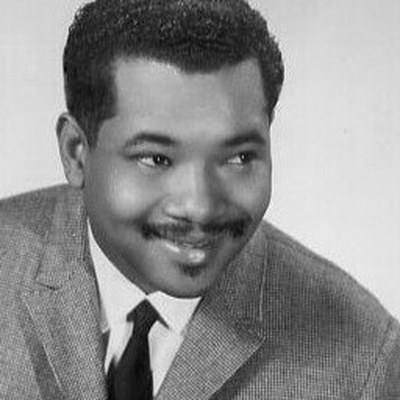 1951–53Nat Adderleycornet — In his brother's Army band; toured Korea. source
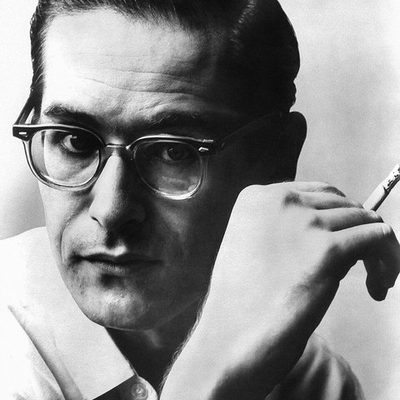 1951–54Bill Evanspiano — The Fifth Army Band at Fort Sheridan, Illinois — on flute and piccolo as well as piano. source
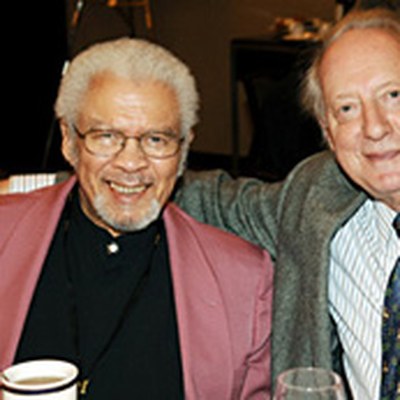 1951–53Frank Fostertenor saxophone — Korea, with the 7th Infantry Division; he joined Count Basie the moment he got home. source
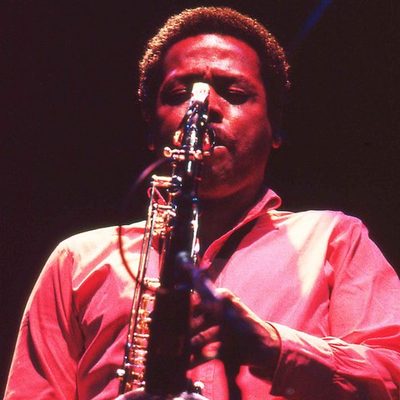 1956–58Wayne Shortertenor and soprano saxophone — Drafted after NYU and stationed at Fort Dix, an hour from Newark — close enough to keep playing in New York with Horace Silver, Oscar Pettiford and Max Roach. He qualified as a sharpshooter. source
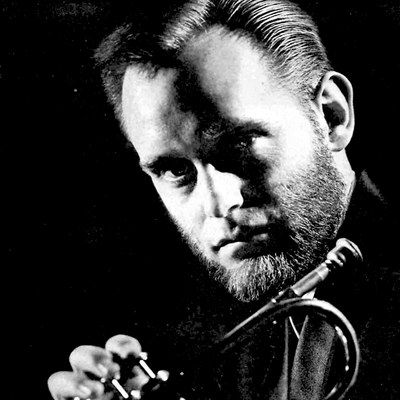 1956–58Don Ellistrumpet, bandleader — The Seventh Army Symphony and Soldiers' Show Company in Germany — his first chance to write for a big band. source
- 1956–58Leo Wrightalto saxophone, flute — Flutist in the Seventh Army band near Stuttgart, and leader of its jazz band, which held Eddie Harris, Cedar Walton, Don Ellis and Houston Person. source
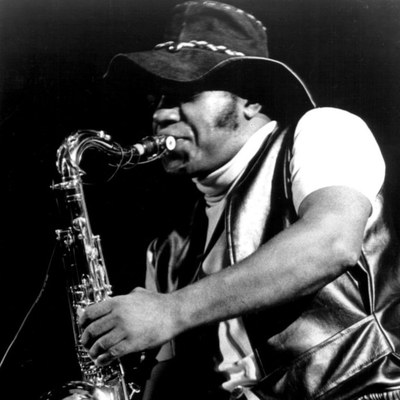 late 1950sEddie Harristenor saxophone — Drafted after college into the Seventh Army band in Europe. source
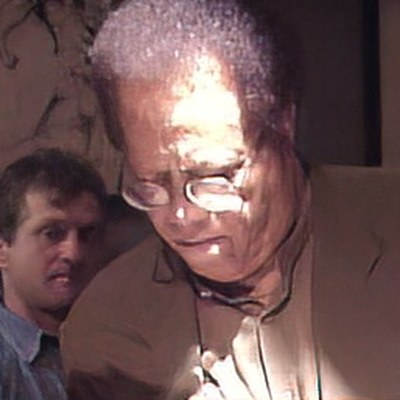 c. 1956–58Cedar Waltonpiano — Two years in Germany with Wright, Ellis and Harris. source
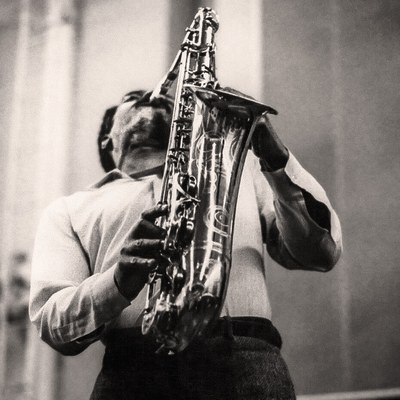 to 1961Albert Aylersaxophone — Fort Knox, where he jammed with Stanley Turrentine, then the 76th Adjutant General's Army Band in Orléans, France — where he switched from alto to tenor and sat in in Paris. source
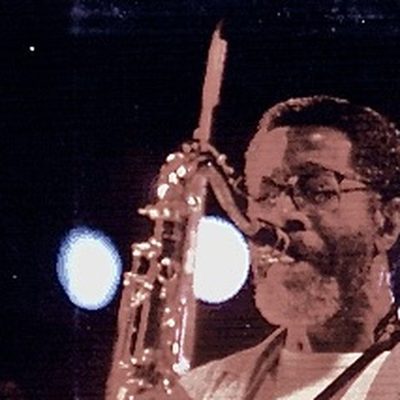 1960–62Joe Hendersontenor saxophone — At Fort Benning his quartet won an Army talent competition and was sent to play for the troops in England, France, Korea and Japan; in Paris he jammed with Kenny Clarke. source
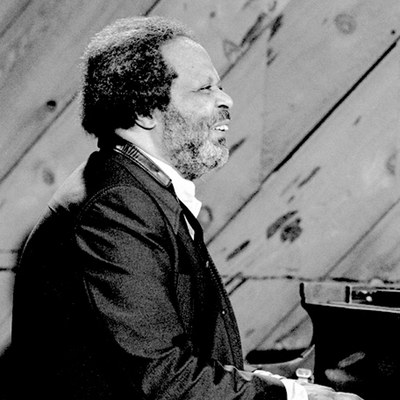 1941–46Jaki Byardpiano — Took up the trombone in the Army and, stationed in Florida, mentored two teenagers named Adderley. source
- WWIIJohnny Hartmanvocals — A private, singing for Army Special Services. source
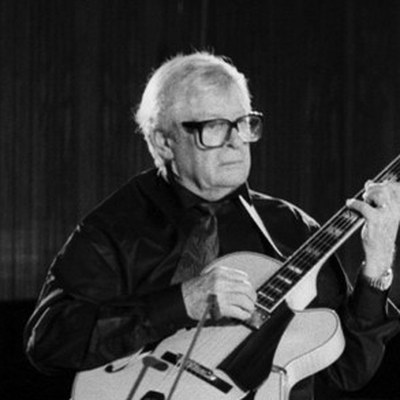 WWIIMundell Loweguitar — An Army dance band; John Hammond heard him during basic training. source
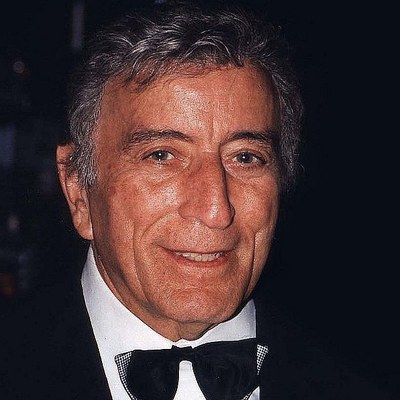 1944–46Tony Bennettvocals — A rifleman with the 63rd Infantry Division in France and Germany, he helped liberate the Kaufering camp in April 1945, was demoted to private for dining with a Black friend, and sang as “Joe Bari” with an Army Special Services band before coming home. source
Army Air Forces · Air Force3 musicians
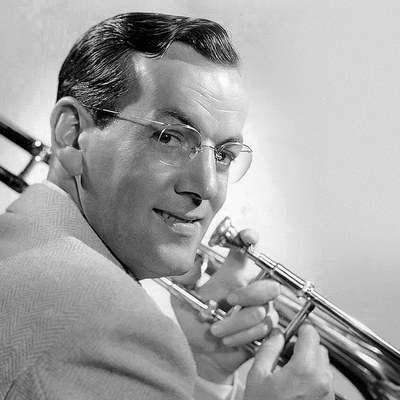 1942–44Glenn Millertrombone, bandleader — Gave up the best-selling band in America for a captain's commission, led the Army Air Forces band from England, and disappeared over the Channel on December 15, 1944, flying to Paris to prepare a Christmas broadcast for the troops. Major Miller received a posthumous Bronze Star. source
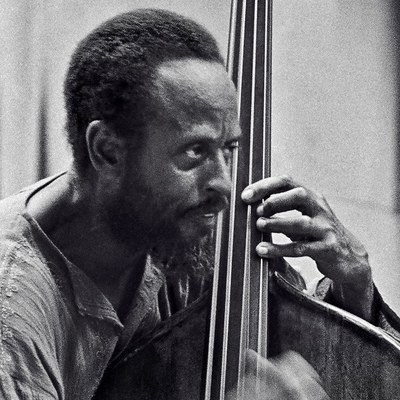 1944–46Percy Heathbass — Trained as a Tuskegee Airman and commissioned a second lieutenant, though the war ended before he flew in combat. He took up the bass seriously only afterwards, and anchored the Modern Jazz Quartet for forty years. source
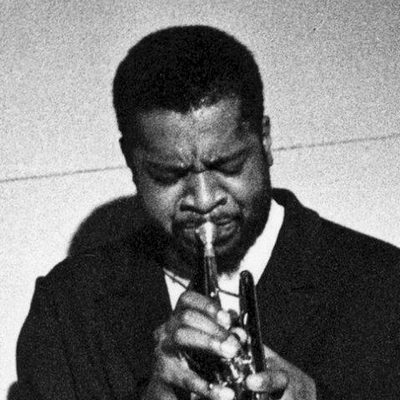 1951–52Donald Byrdtrumpet — An Air Force band. source
United States Marine Corps2 musicians
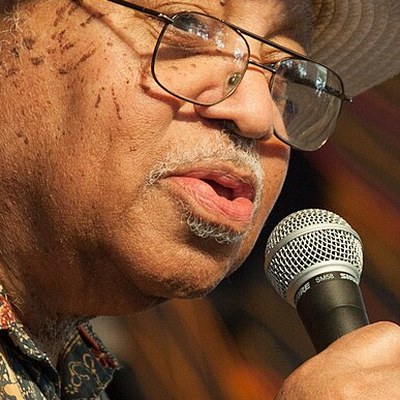 from 1955Ellis Marsalis Jr.piano — Enlisted after graduating from Dillard and was stationed in Southern California, where he was the pianist of the Marines' jazz quartet, the Corps Four, which appeared on the CBS television show Dress Blues and the radio programme Leatherneck Songbook — both recruiting vehicles. Then home to New Orleans, where he taught Wynton, Branford, Delfeayo and Jason, and half the city besides. source
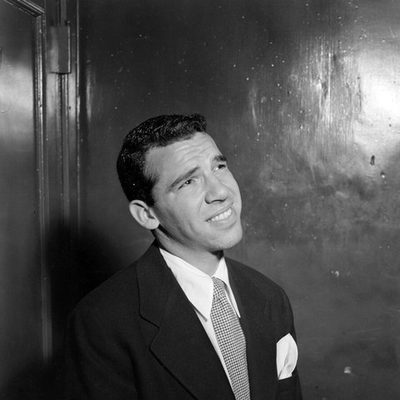 1942–44Buddy Richdrums — Left the Tommy Dorsey band to enlist; served as a judo instructor. source
United States Coast Guard2 musicians
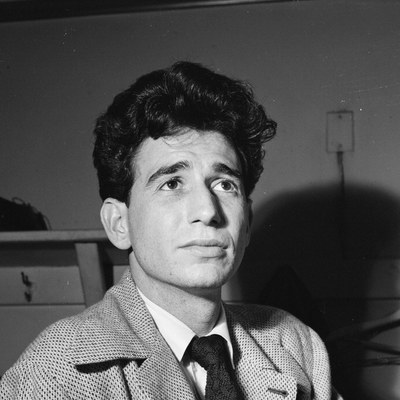
And one who did not serve: Dizzy Gillespie was classified 4-F after telling his draft board that, given how he had been treated in his own country, he could not promise whom he would shoot at — “a case of mistaken identity,” as he put it. The list is a beginning; names and corrections are welcome.
41 musicians so far. Portraits: see the credits on the Birthdays page.